


 0592-2037326





-


- 公司新聞
-


- 行業(yè)新聞
我們開(kāi)工了!
2024-02-22
人勤春來(lái)早,奮進(jìn)正當(dāng)時(shí)。廈門(mén)庚華機(jī)械有限公司搶抓時(shí)機(jī)開(kāi)足馬力,緊鑼密鼓中吹響了“開(kāi)門(mén)紅”的奮進(jìn)號(hào)角。加快生產(chǎn)經(jīng)營(yíng)的步伐,為實(shí)現(xiàn)“開(kāi)門(mén)穩(wěn)”奠定堅(jiān)實(shí)基礎(chǔ)。開(kāi)工第一日,企業(yè)主要負(fù)責(zé)人組織公司各方面管理人員開(kāi)展安全生產(chǎn)相關(guān)內(nèi)容會(huì)議,確保管理層繃緊安全生產(chǎn)這根弦。馬達(dá)飛轉(zhuǎn),機(jī)器轟鳴,工人們已經(jīng)熟練開(kāi)始工作。公司…
激光切割機(jī)的實(shí)用知識(shí)相信大家在很多地方都見(jiàn)過(guò),今天就跟著小編一起來(lái)看看激光切割機(jī)的一些不一樣的知識(shí),讓大家對(duì)激光切割機(jī)有更多的了解以下是迪能激光整理的激光切割機(jī)配置的一些具體要求:激光切割機(jī)的加工應(yīng)用在加工大厚度鋼板方面具有優(yōu)勢(shì)但是,隨著火焰穿孔厚度的增加,對(duì)設(shè)備的溫度和環(huán)境要求會(huì)更加嚴(yán)格目前,激光切…
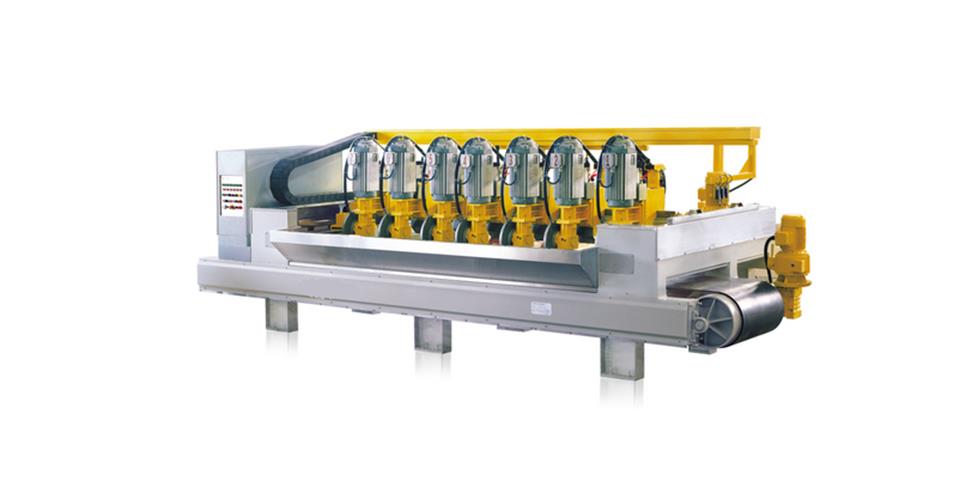
石材磨邊倒角機(jī)簡(jiǎn)單知識(shí)介紹
2021-08-27
激光焊機(jī)具有操作簡(jiǎn)單、效率高、可焊材料范圍廣、維護(hù)成本低等優(yōu)點(diǎn),手持激光焊機(jī)設(shè)備已廣泛應(yīng)用于多個(gè)行業(yè)。激光焊機(jī)主要應(yīng)用在哪幾個(gè)方面?1、櫥柜的廚房和浴室目前人們經(jīng)常需要使用各種櫥柜廚衛(wèi),包括一些不銹鋼質(zhì)的櫥柜廚具。而不銹鋼櫥柜和廚具在生產(chǎn)過(guò)程中通常是采用各種板材拼接而成,而板材在生產(chǎn)過(guò)程中自然需要采用…
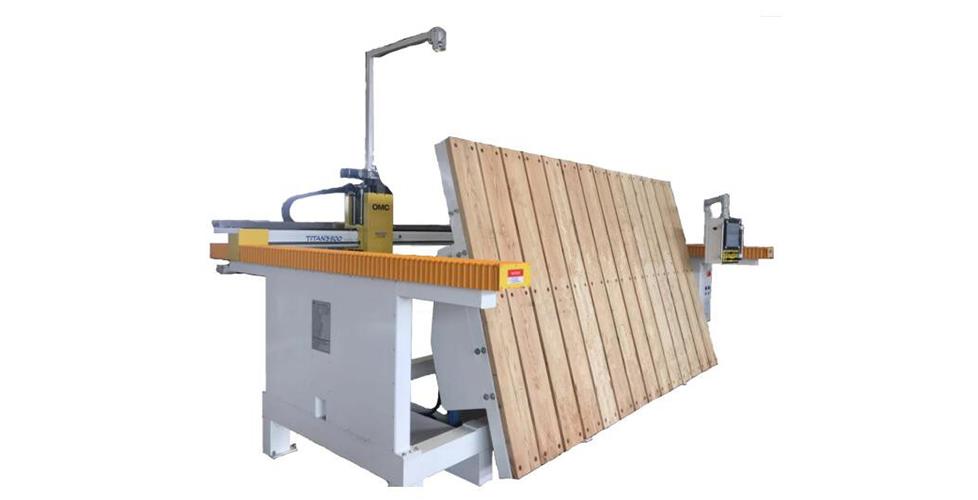
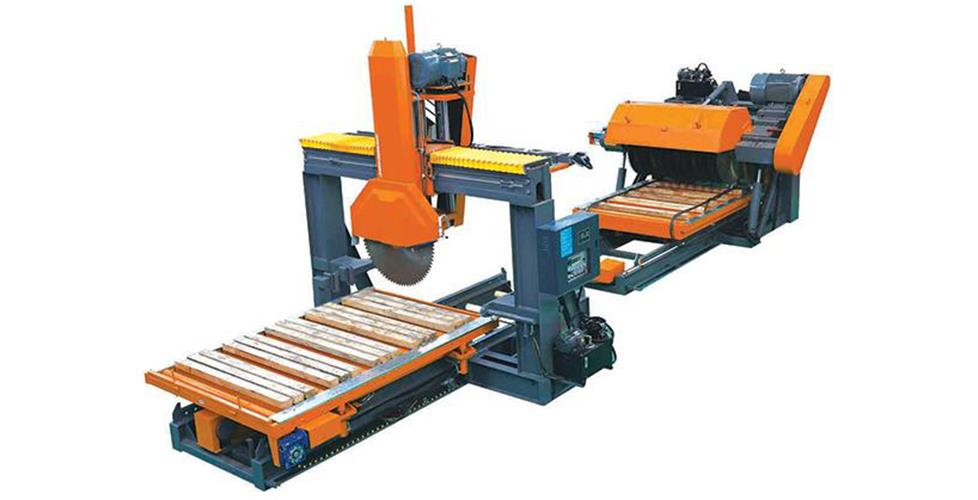
石材機(jī)械技術(shù)革新促使石材行業(yè)改革
2021-08-27
數(shù)控折彎?rùn)C(jī)是現(xiàn)代模具加工常見(jiàn)的設(shè)備之一。大多數(shù)的數(shù)控折彎?rùn)C(jī)的主要工作方式是上活塞式壓機(jī),它的驅(qū)動(dòng)力產(chǎn)生有明顯的特點(diǎn),具體與折彎?rùn)C(jī)模具生產(chǎn)的工藝有很大的關(guān)系。但不可否認(rèn)的是,數(shù)控折彎?rùn)C(jī)的生產(chǎn)安全性更高,在正常的使用中需要注意的安全事項(xiàng)包括如下:1、向下運(yùn)動(dòng)普通折彎?rùn)C(jī)的下行快速關(guān)閉運(yùn)動(dòng)一般是采用的自由落體…
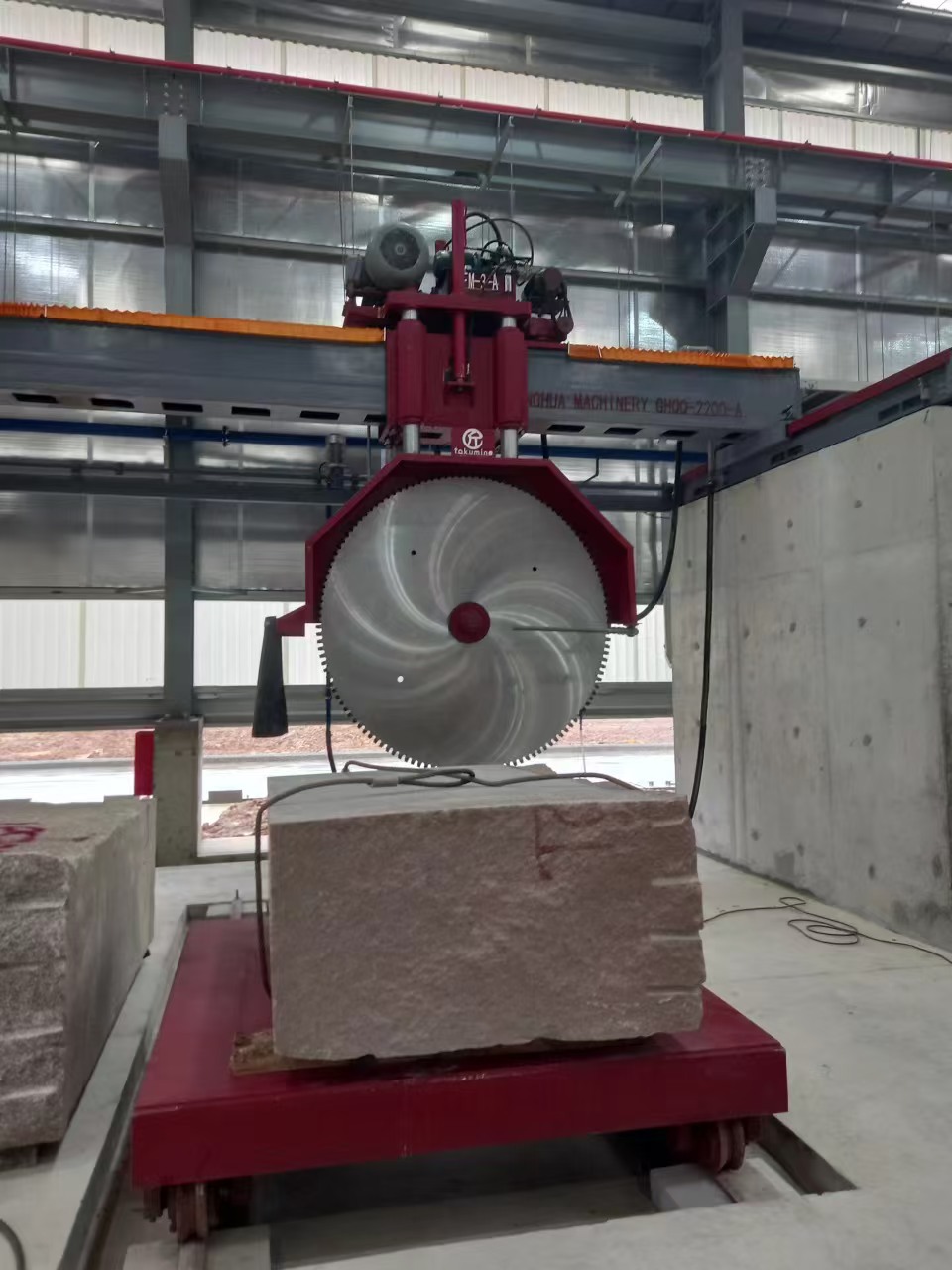
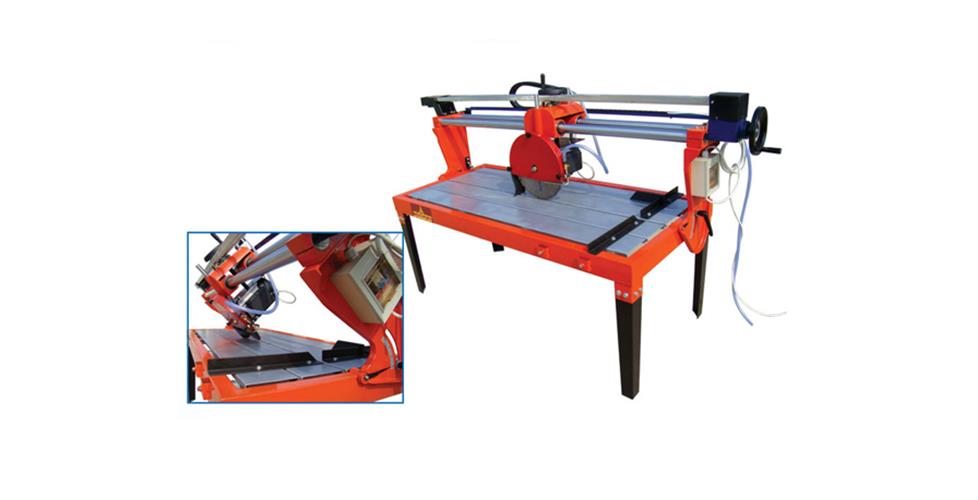
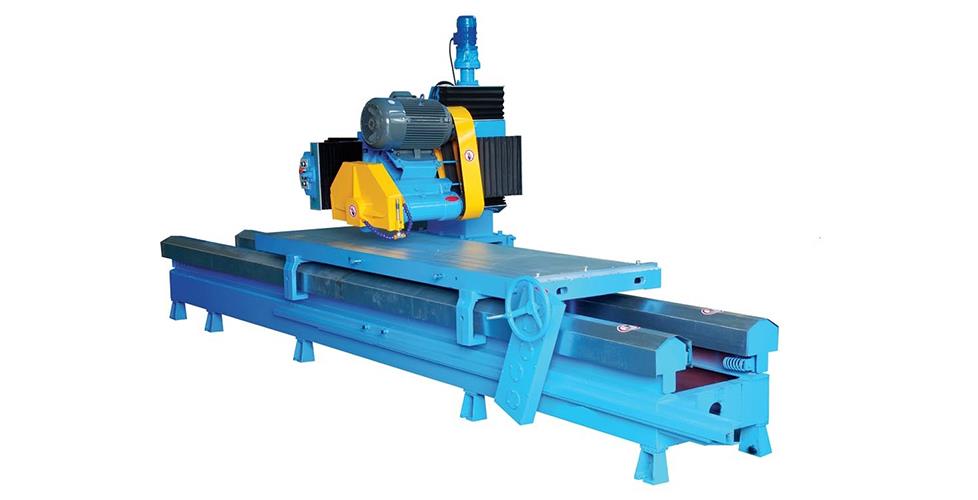
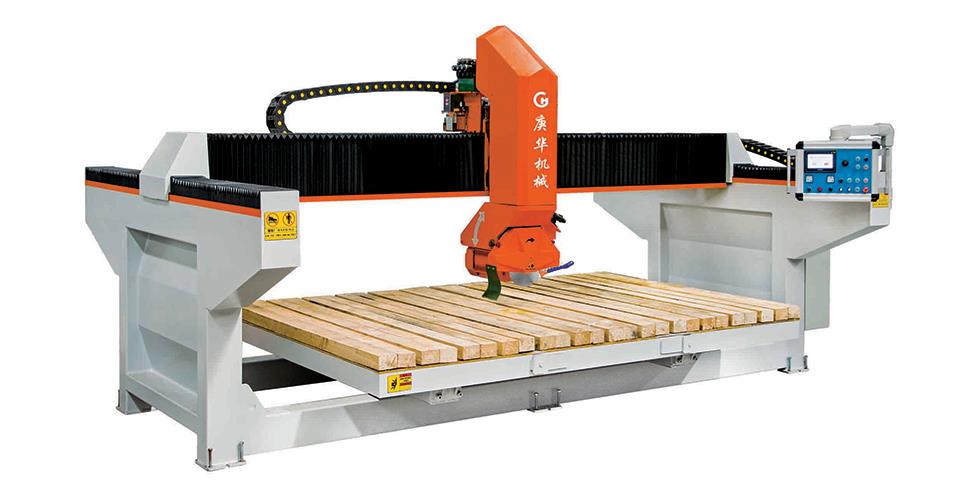
石材切割利器駕到,全新設(shè)計(jì)的石材切割機(jī)
2021-08-27
現(xiàn)如今,作為新興標(biāo)識(shí)設(shè)備的激光打標(biāo)機(jī),以其優(yōu)良的性能得到了廣大客戶(hù)的認(rèn)可,從而在不同的行業(yè)中都能夠被使用;激光打標(biāo)機(jī)是用激光束在各種不同的物質(zhì)表面打上標(biāo)記。今天小編就來(lái)為大家講一下激光打標(biāo)機(jī)是怎樣安裝的。1、在安裝激光打標(biāo)機(jī)之前,要盡可能保持機(jī)身干凈;在10℃到35℃環(huán)境中,保持干燥、無(wú)塵光學(xué)設(shè)備。通常需…
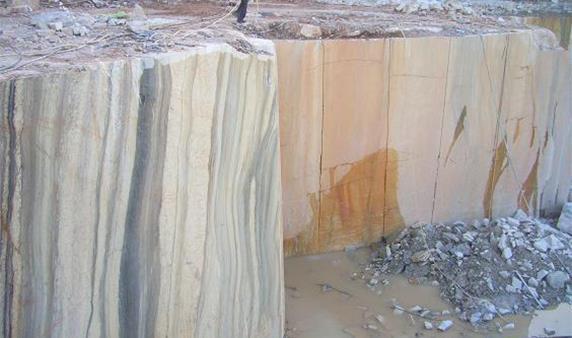
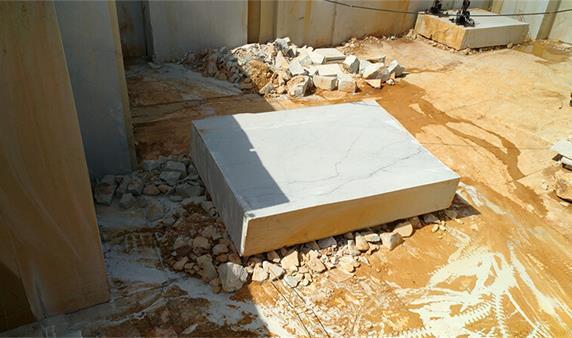
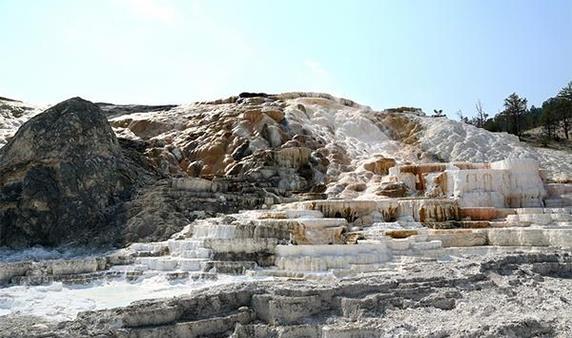
飾面石材礦山開(kāi)采的分類(lèi)
2023-04-17
石材品種繁多,性質(zhì)也有所不同,因此開(kāi)采的方式也存在差異。按照石材種類(lèi)、礦體特點(diǎn)及開(kāi)采機(jī)械的特性,飾面石材礦山開(kāi)采可按照下面方法分類(lèi)。按石材類(lèi)型按照石材類(lèi)型的不同,石材礦山開(kāi)采可以分為大理石類(lèi)軟質(zhì)石材礦山開(kāi)采和花崗巖類(lèi)硬質(zhì)石材礦山的開(kāi)采;按礦山開(kāi)采布局按照礦山開(kāi)采布局來(lái)分,石材礦山開(kāi)采可以分為山坡露天開(kāi)…
石材礦山開(kāi)采的前期準(zhǔn)備工作有哪些
2023-05-17
石材礦山開(kāi)采是一項(xiàng)系統(tǒng)性的大工程,需要投入大量的人力、物力。開(kāi)采前的前期準(zhǔn)備工作是非常重要的,前期工作沒(méi)做好,礦山投資方可能會(huì)遭受巨大損失,那么石材開(kāi)采的前期準(zhǔn)備工作有哪些呢?1、勘探眾所周知,石材的種類(lèi)成百上千,其價(jià)值也各不相同;在進(jìn)行開(kāi)采前,需要采用合適的勘探方法確定石材品種、化學(xué)成份、顏色、硬度…
什么是石灰?guī)r?石灰?guī)r怎樣開(kāi)采
2023-04-20
石灰?guī)r和花崗巖、大理石一樣,是生活中常見(jiàn)的石材之一。什么是石灰?guī)r?石灰?guī)r簡(jiǎn)稱(chēng)灰?guī)r,以方解石為主要成分的碳酸鹽巖。有時(shí)含有白云石、粘土礦物和碎屑礦物,有灰、灰白、灰黑、黃、淺紅、褐紅等顏色,硬度一般不大,按成因分類(lèi)屬于沉積巖。石灰?guī)r開(kāi)采石灰石的開(kāi)采主要采用露天開(kāi)采的形式。即在山坡露天或凹陷露天的條件下,…
消除長(zhǎng)期的機(jī)器隱患,并且延長(zhǎng)機(jī)械的使用壽命,我們就要做例行保養(yǎng),主要以清潔、緊固、調(diào)整和潤(rùn)滑為重點(diǎn),在每次工作前、工作中、以及工作后都要按照要求進(jìn)行保養(yǎng)。通常來(lái)說(shuō)這項(xiàng)工作都是由機(jī)械操作人員來(lái)完成的。在做保養(yǎng)的時(shí)候我們有時(shí)是要根據(jù)數(shù)控折彎?rùn)C(jī)的要求來(lái)進(jìn)行的,而且在規(guī)定的工作時(shí)間里也必須給機(jī)器做出相應(yīng)的保養(yǎng)…




 0592-2037326